
410-290-6232


Can You Record Sexual Harassment at Work To Use as Evidence?
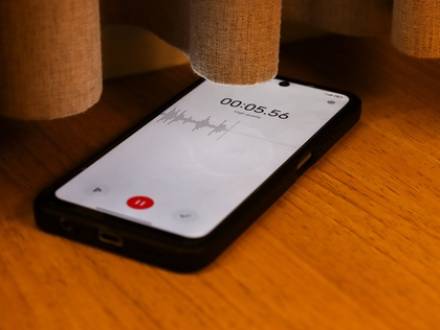 In Maryland, recording a conversation at work to use as evidence of sexual harassment is risky because the state generally requires all parties to consent to the recording. In some situations, a recording may still be used, but getting it wrong can create legal problems of its own. The rules around workplace recordings are more complicated than they first appear. If you are dealing with sexual harassment at work in 2026, an Annapolis, MD employment law attorney at Freedman Law, LLC is here to help.
What Is Maryland's Recording Law and How Does It Apply at Work?
Maryland's wiretapping law is found in Maryland Courts and Judicial Proceedings Code § 10-402. Under this law, it is illegal to record a private conversation without the consent of all parties involved. This is what people mean when they say Maryland is a two-party consent state, even if you are part of that conversation. There are limited exceptions, but they are narrow and fact-specific.
If you set up a device to secretly record conversations you are not part of, that is likely illegal. Even if a supervisor is speaking directly to you, recording that interaction without consent can still violate Maryland law. Because the rules are strict and fact-specific, it is important to speak with an attorney before making any recording.
Can Your Employer Prohibit Recording in the Workplace?
Some employers have written policies that prohibit employees from making recordings at work. These policies are generally legal, and violating them can lead to disciplinary action or even termination.
However, a workplace recording policy does not necessarily make a recording inadmissible as evidence in a legal proceeding. Even if your employer prohibits recordings, a recording you made of your own harassment may still be used in court or before an administrative agency. Your employer taking action against you for making the recording could actually become an additional legal issue in your case.
If your employer has a no-recording policy, talk to an employment attorney before recording anything. The attorney can help you weigh the risks and figure out the best way to document what is happening to you.
What Makes a Recording Useful as Evidence in a Sexual Harassment Case?
For a recording to be useful, it needs to clearly capture the harassing conduct or statements. A muffled, incomplete, or unclear recording may raise more questions than it answers.
A good recording captures who is speaking, what is being said, and the context around it. It should be made as close to the harassing incident as possible. It should not be edited or altered in any way, because any sign of tampering will undermine its credibility.
You should also keep the original recording in a safe place and make backup copies. Document when and where the recording was made and under what circumstances. The more clearly you can explain the recording to an attorney, an investigator, or a court, the more value it will have.
What Other Evidence Should You Collect for a Maryland Workplace Sexual Harassment Case?
Recordings are powerful, but they work best as part of a larger body of evidence. Other types of evidence that can support a sexual harassment claim include:
-
Written records such as emails, text messages, voicemails, or notes that contain harassing language
-
A detailed personal log of every harassing incident, including dates, times, locations, what was said or done, and who else may have witnessed it
-
Witness statements from coworkers who saw or heard the harassment
-
Documentation showing that you reported the harassment to HR or a supervisor, including any written complaints you submitted and any response you received
-
Evidence of how your employer responded, or failed to respond, to your complaint
-
Records showing any negative actions taken against you at work after you reported the harassment, such as a demotion, schedule change, or termination
The strength of a sexual harassment case often comes from multiple types of evidence working together, not from any single piece alone.
What Happens After You Have Evidence of Sexual Harassment in Maryland?
Once you have documentation of the harassment, the next step is to speak with an employment attorney who can help you understand your options. In Maryland, the deadlines for filing a sexual harassment claim depend on where you file.
If you file a charge with the federal Equal Employment Opportunity Commission, you generally have up to 300 days from the date of the harassment to act. If you file with the Maryland Commission on Civil Rights, the timeline may differ depending on the type of claim, and some state law claims may allow up to two years. Missing these deadlines can prevent you from moving forward, so it is important to speak with an attorney as soon as possible to protect your rights.
Contact Our Baltimore, MD Sexual Harassment Lawyer Today
At Freedman Law, LLC, our attorney is rated one of the best employment lawyers in Annapolis, and brings a hands-on, accessible approach to every client. When you work with us, you get direct access to your attorney, real support throughout the process, and aggressive representation when the situation calls for it. We represent clients in both federal and state courts, so no matter where your case needs to go, we are ready. And if something comes up and you need to reach us, we are available 24/7.
Call 410-290-6232 today to speak with an Annapolis, MD employment law attorney and take the first step toward protecting your rights at work.








Columbia Office
10015 Old Columbia Rd, #B215
Columbia, MD 21046
P 410-290-6232
[+] View Map
North Bethesda Office
11810 Grand Park Ave, Suite 500
North Bethesda, MD 20852
P 410-290-6232
[+] View Map
McLean Office
8200 Greensboro Dr, #900
McLean, VA 22102
P 410-290-6232
[+] View Map
Results listed are not a guarantee or indication of future case results.
