
410-290-6232


Spring 2026 Workplace Rights Scholarship Winner
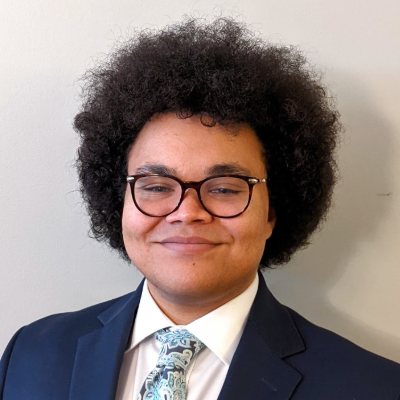
Thomas Burnett
Thomas, a student passionate about civil rights, is a 3L at Northwestern University Pritzker School of Law. Thomas writes about workplace fairness and the obstacles prospective employees face after criminal convictions. He hopes to utilize his legal education to pursue a career in appellate and advocacy work.
Read Their Essay Here:
To me, workplace fairness is the ability to pursue one’s economic interests freely in a professional setting. Barriers to workplace access and retention necessarily compromise this central value and, consequently, damage one’s economic mobility and freedom. By advocating for individuals in the criminal justice system, I will help them recapture their political voice, economic opportunity, and their lives.
An important dynamic in ensuring workplace fairness is preventing individuals with a criminal conviction from suffering adverse employment opportunities. Unshackled from their past convictions, clients often found it easier to find housing, employment and admission to educational trade programs. Moreover, certain states remove their right to vote, without which they cannot direct their community’s future. By removing the political voice of the formally incarcerated, the State predominantly dilutes the power of low-income communities, making it more difficult for them to advocate on behalf of legislation that would aid them, such as “Ban the Box” initiatives and reform to criminal record information. Wiping away this brand profoundly affects this population, and I believe it is a vital step towards ensuring workplace fairness: by removing low-grade criminal convictions, sealing past criminal history, and enfranchising convicted individuals’ voting power, we can reinvigorate the ability of many low-income individuals to re-enter the workforce. Through these methods, we make the workplace fairer for low-income individuals and those with criminal convictions.
I first became galvanized on this issue when I served as a paralegal to Maryland Legal Aid. We encouraged our clients’ economic mobility by exercising their civil and statutory rights, including criminal record expungement. But during my time at Legal Aid, an appellate decision stripped many of our clients of this right. Our services ground to a halt. In turning away hundreds of clients, I learned first-hand the impact of appellate advocacy on individuals’ lives, and the importance of effective appellate advocacy to solidifying one’s civil rights. Because of this experience, I aim to achieve an appellate practice to ensure the nation’s laws are applied evenly and fairly, to further justice, and to prevent mistakes of law, as above, from damaging the lives of my fellow citizens.
Since matriculating to the Northwestern Pritzker School of Law, I continue advocating for those in the criminal justice system: I volunteer with legal aid organizations in their expungement practices; I earned positions with the Department of Justice Civil Rights Division and NAACP LDF, where I learned the legal framework to combat discrimination; and the Appellate Division of the Maryland Office of the Public Defender, where I learned how to exercise one’s criminal rights and, potentially, avoid a criminal record. Through these practical experiences and my coursework in poverty law, wherein I analyzed the Maryland Expungement Reform Act of 2025 that overturned the violation of probation bar to expungement; civil rights, wherein I learned the framework for Title VII; and the Fourteenth Amendment’s Equal Protection Clause, I can better help my future clientele in ensuring their economic mobility through targeted litigation and legislative advocacy.









Columbia Office
10015 Old Columbia Rd, #B215
Columbia, MD 21046
P 410-290-6232
[+] View Map
North Bethesda Office
11810 Grand Park Ave, Suite 500
North Bethesda, MD 20852
P 410-290-6232
[+] View Map
McLean Office
8200 Greensboro Dr, #900
McLean, VA 22102
P 410-290-6232
[+] View Map
Results listed are not a guarantee or indication of future case results.
